
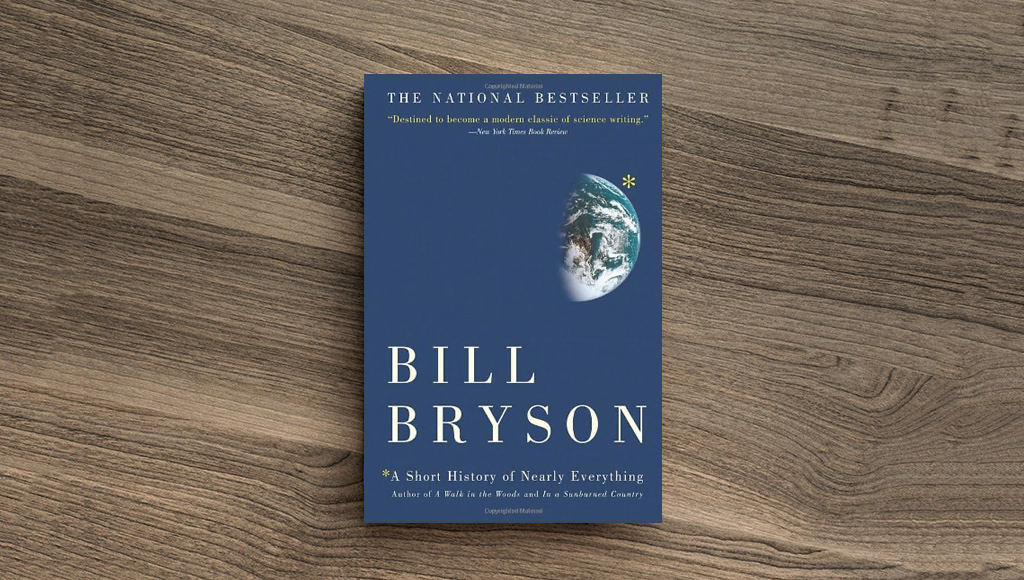
A Short History of Nearly Everything, Bill Bryson
This is exactly what the title promises, and more. It’s a sweeping look at everything from the origins of the universe to the development of scientific thought, all told through the lens of how we came to understand it in the first place. What makes it special is that Bryson approaches science as a curious outsider, making it feel accessible, human, and surprisingly entertaining. It feels like a perfect bridge between the humanities and the natural sciences – engaging, informative, and often genuinely fascinating. It’s the kind of book that makes you wish science had been taught this way from the beginning. A course in the history of science like this should be required reading for everyone.
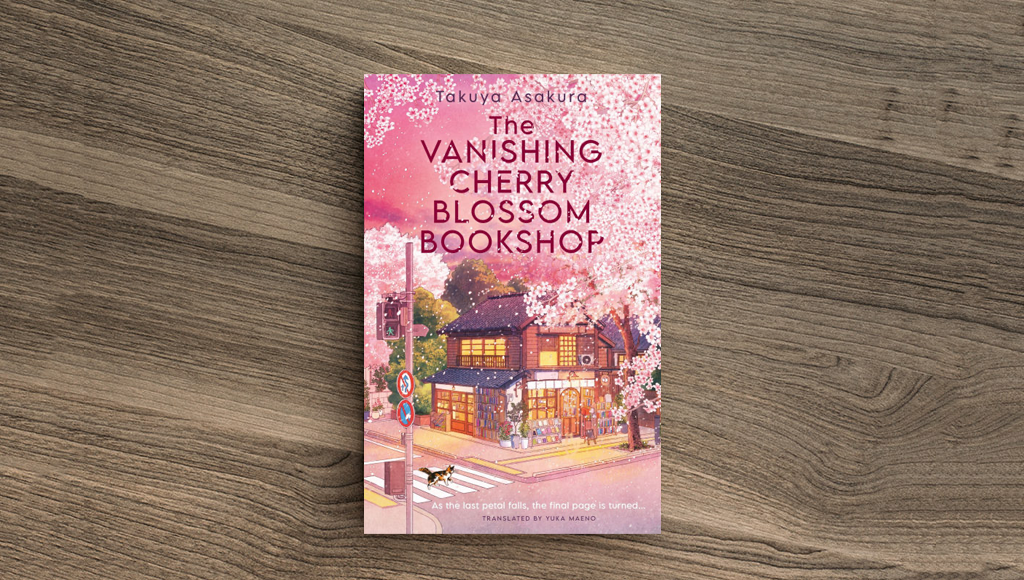
The Vanishing Cherry Blossom Bookshop, Takuya Asakura
A bit of a mixed experience for me. I found myself going back and forth the entire time – liking it in one moment, then feeling disconnected the next. In the end, it all kind of balanced out. I think the biggest issue for me was the lack of depth in certain areas, which made it harder to fully connect with the story. That said, that same simplicity also made it an easy, quick read, which I did appreciate. It may just come down to personal taste. There’s something here, but it didn’t completely land for me.
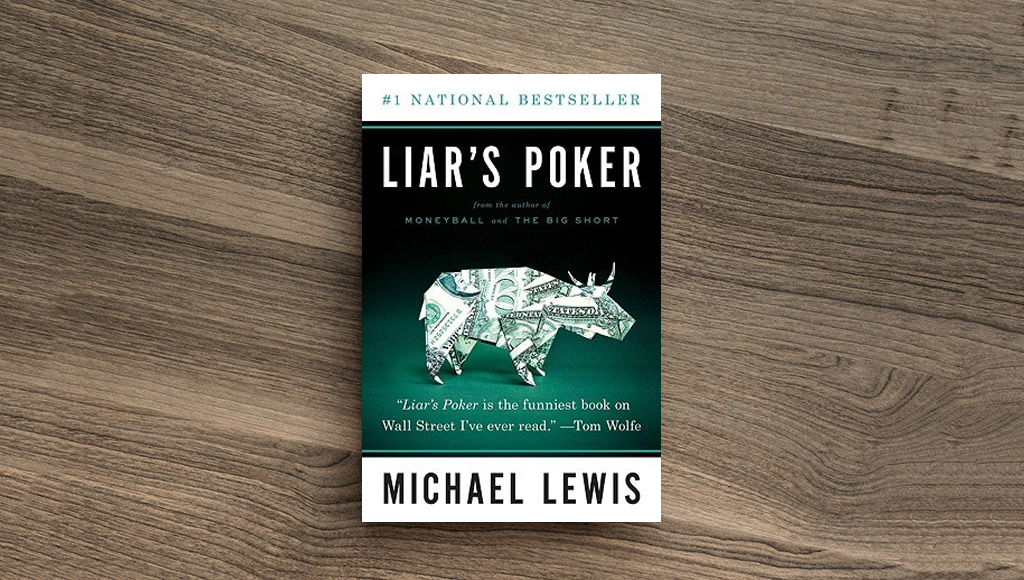
Liar’s Poker, Michael Lewis
Wildly entertaining, though often for all the wrong reasons. It offers a sharp, insider look at a chaotic era in finance that somehow feels both dated and eerily relevant today. Having worked in a similar world, parts of this read less like history and more like a snapshot of a past life. Equal parts fascinating and unsettling, it’s a compelling memoir of a culture that helped shape modern finance.
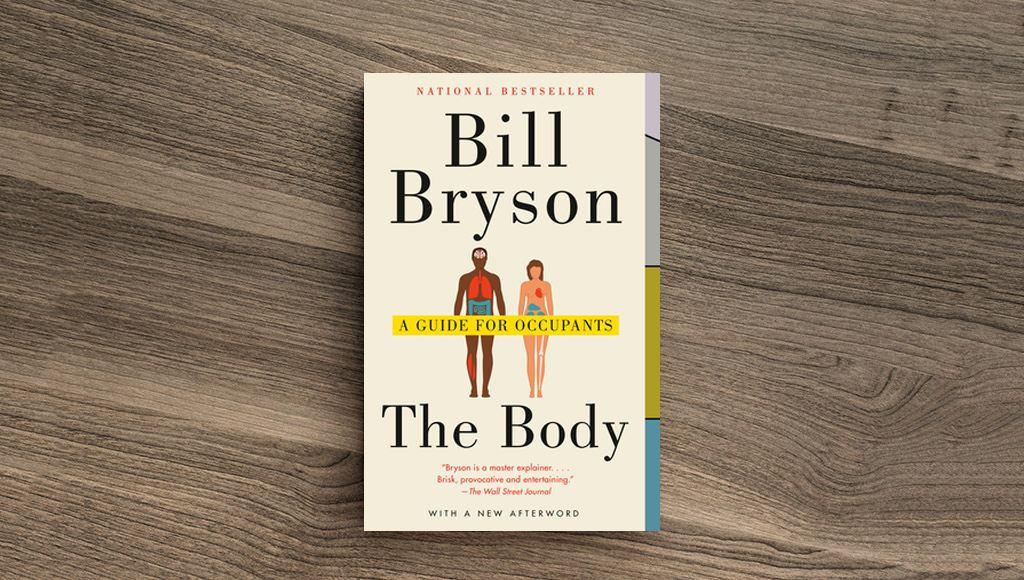
The Body, Bill Bryson
An interesting read, though it didn’t quite reach the level of A Short History of Nearly Everything for me. It is still engaging, but much of the material felt a bit too quick, like it was skimming across topics without fully settling in. I often found myself wanting to pause and dig deeper, like raising a hand in class with follow-up questions that never quite got answered. Because of that, I didn’t feel like I took as much away from it as I’d hoped. Still, it’s an enjoyable and informative overview, just not as impactful for me.
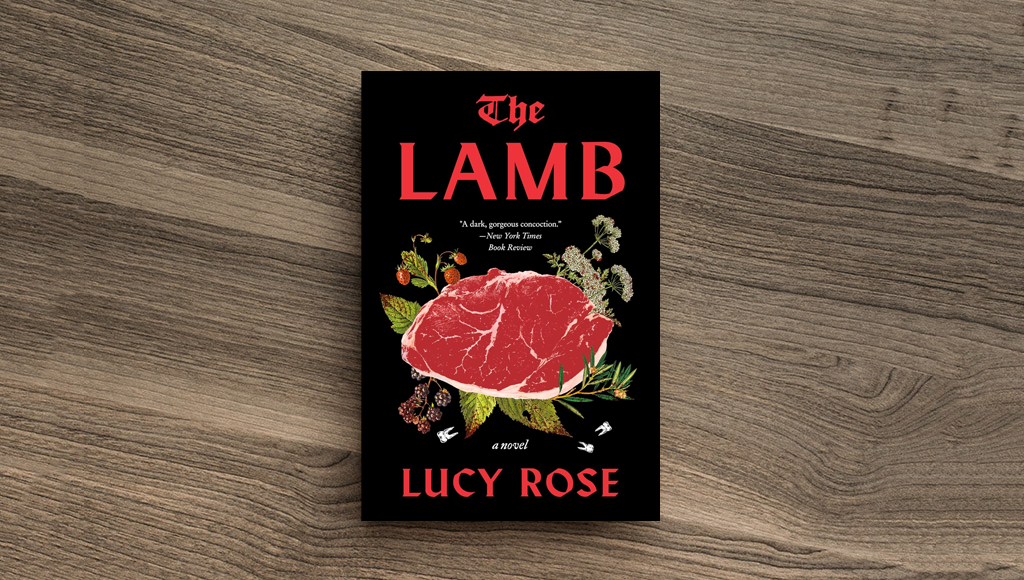
The Lamb, Lucy Rose
One of the most viscerally intense books I’ve ever read. From the very first page, it’s brutally graphic. It genuinely feels like you can smell the words. It’s grotesque, but in a strange, almost beautiful way. However, once you get past the shock and gore, the story itself feels pretty thin. There’s not much of an arc or a strong hook driving things forward, which makes it feel a bit hollow underneath all that intensity. And yet… I couldn’t put it down. It’s a strange mix: disturbing, compelling, and ultimately a bit lacking, but still hard to ignore.
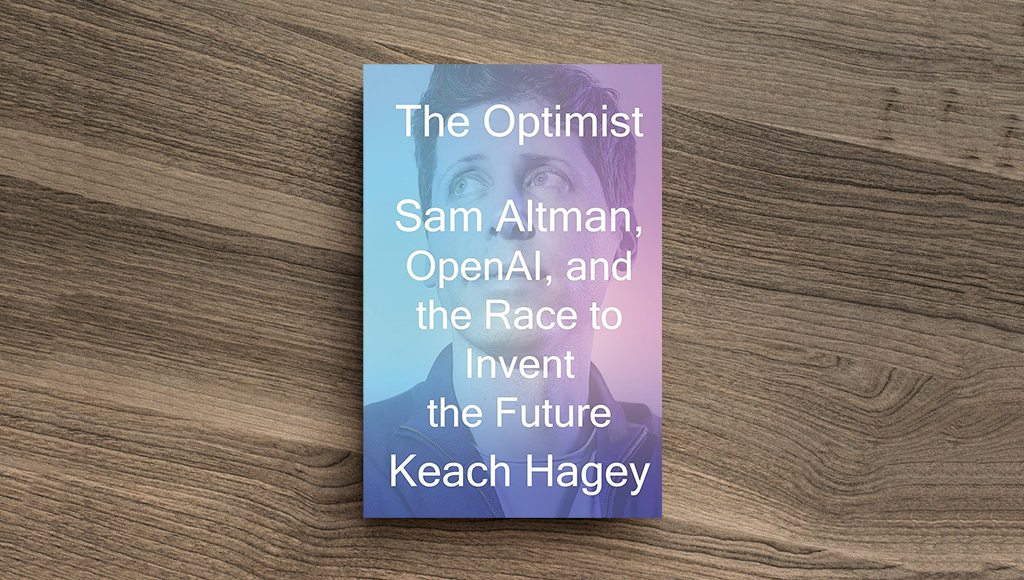
The Optimist, Keach Hagey
This was a bit of a mixed experience for me. Sam Altman’s story is interesting, especially being close in age, and the sections on the evolution of AI were genuinely engaging. At times, though, the book drifts into tangents that didn’t hold my attention, and by the end I wasn’t entirely sure what it wanted to be: a focused biography of Altman or a broader look at AI’s rise. There’s still a lot here to appreciate and it is worth a read if you’re interested in technology and AI.
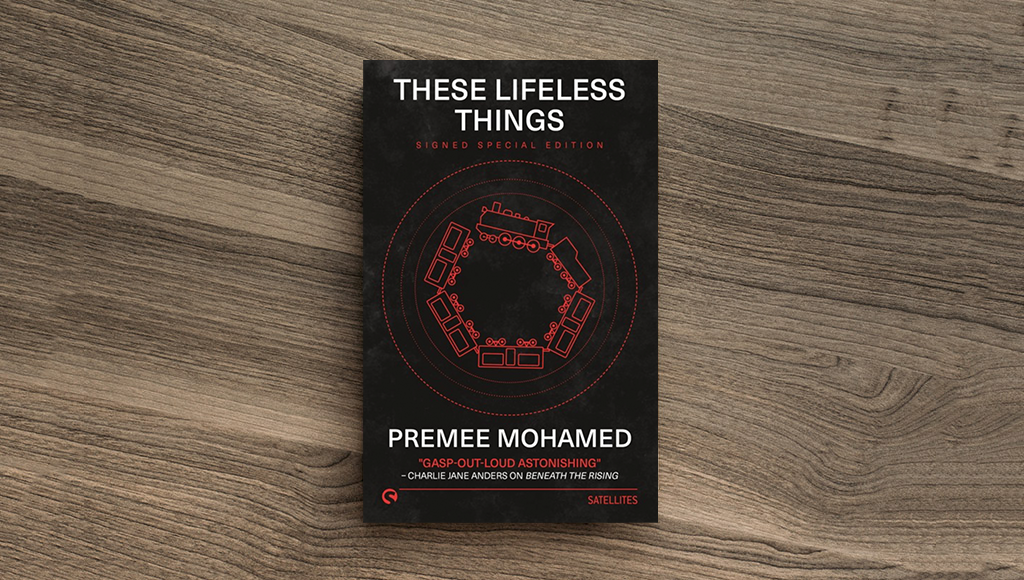
These Lifeless Things, Premee Mohamed
This really didn’t land for me. There were moments where it started to get interesting, but they never seemed to go anywhere and often just fizzled out. It feels like there are deeper themes running underneath the surface, but they never fully come into focus. Combined with a writing style that I found a bit hard to get through at times, it made the whole experience feel a little disjointed. There’s something there, but it never fully came together in a way that worked for me.
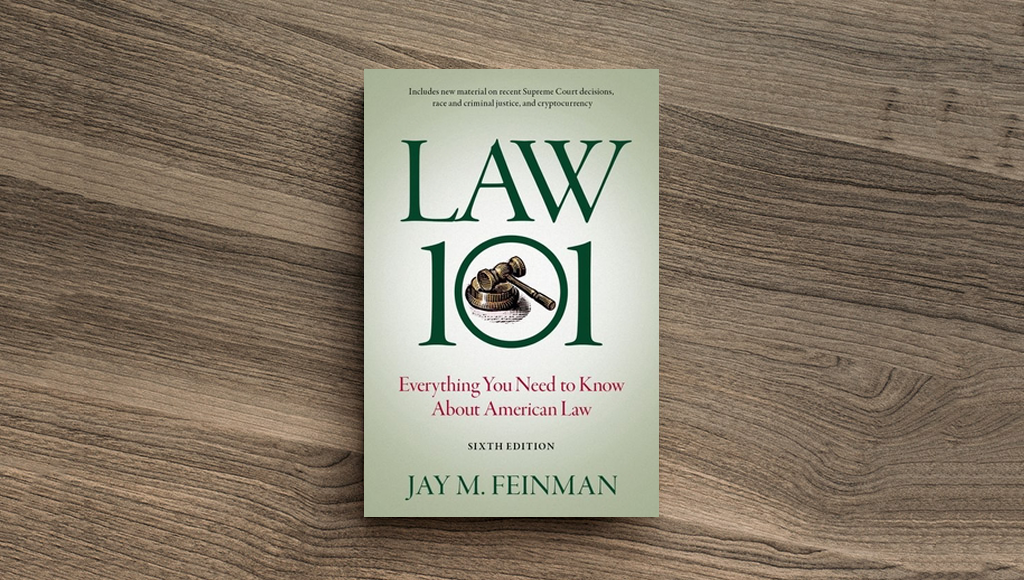
Law 101, Jay M. Feinman
A practical, approachable guide that does exactly what it sets out to do: make the basics of law understandable for non-lawyers. It breaks things down in a clear, accessible way without feeling overly simplified. I really liked how it opens the door to different areas of law, making it easy to discover what actually interests you. It’s not trying to be exhaustive, but it’s an excellent starting point and a genuinely useful resource for anyone looking to get a better grasp on how the legal system works.
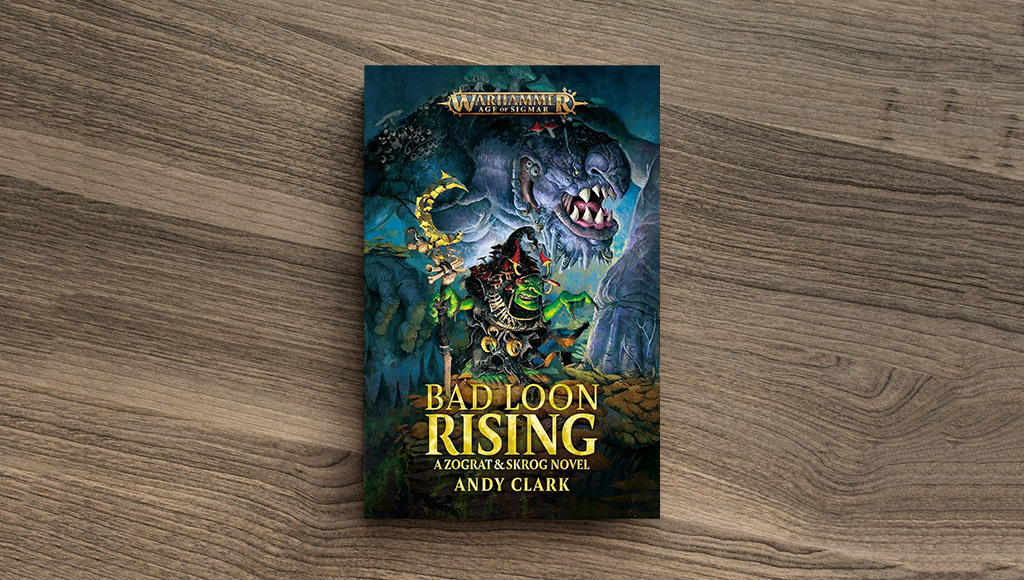
Bad Loon Rising, Andy Clark
A fun read that offers more depth than you might expect from a story about chaotic little goblins. The characters and plot have surprising weight, which helps elevate it beyond just a straightforward fantasy romp. The balance between humor and horror is fantastic; the natural absurdity of the Gloomspite Gitz is always there, but it’s layered with a darker, more unsettling edge. The setting and atmosphere feel strangely captivating, with an eerie tone that lingers throughout. A very enjoyable read and well worth picking up.
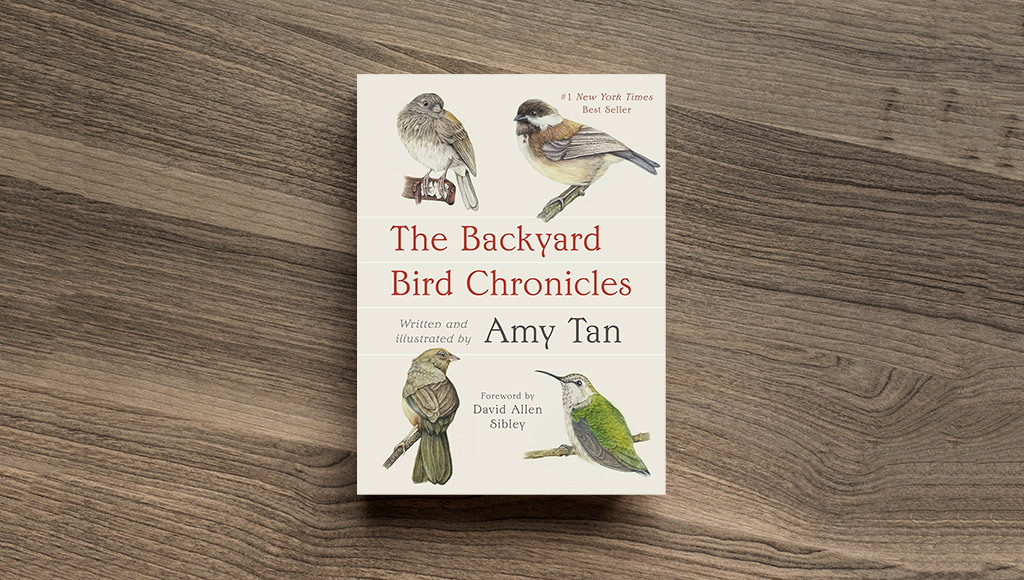
The Backyard Bird Chronicles, Amy Tan
What an unexpected delight! It feels like spending time with a friend who’s fallen in love with a new hobby and can’t wait to share every discovery. That sense of curiosity is contagious, and I ended up learning far more than I ever expected while enjoying every minute of it. Tan’s artwork adds a personal, visual richness that makes the whole experience even more engaging. It’s thoughtful, charming, and easy to get lost in. A truly enjoyable read.
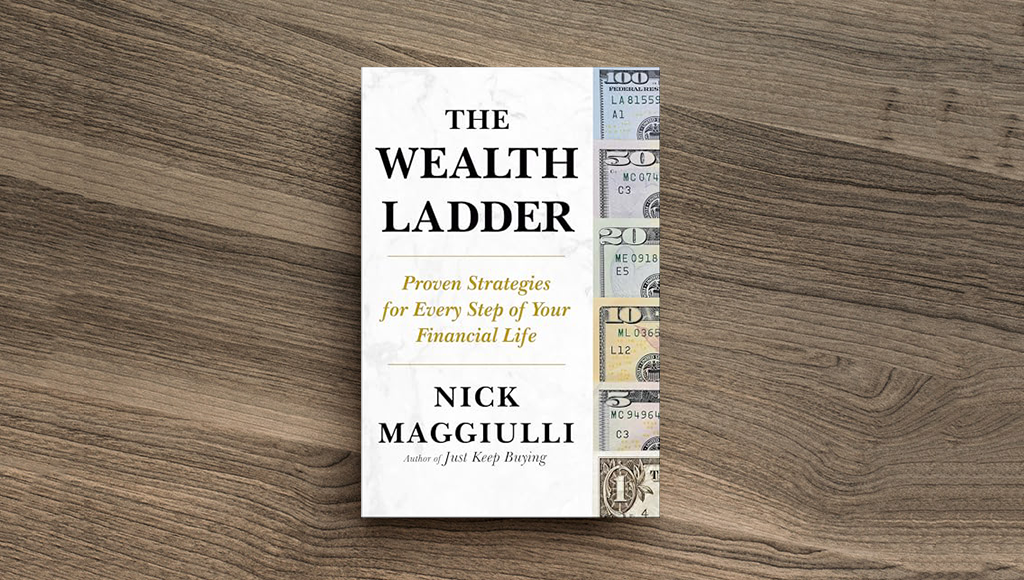
The Wealth Ladder, Nick Maggiulli
A really solid, approachable take on personal finance and wealth. It does a great job of improving financial literacy while also reframing how to think about wealth, and what strategies actually make sense at different stages. It reads differently compared to typical finance books, in a good way. It’s practical without being overwhelming, and thoughtful without dragging on. On top of that, it’s a quick, easy read that still leaves you with a lot to think about. Definitely worth the time.
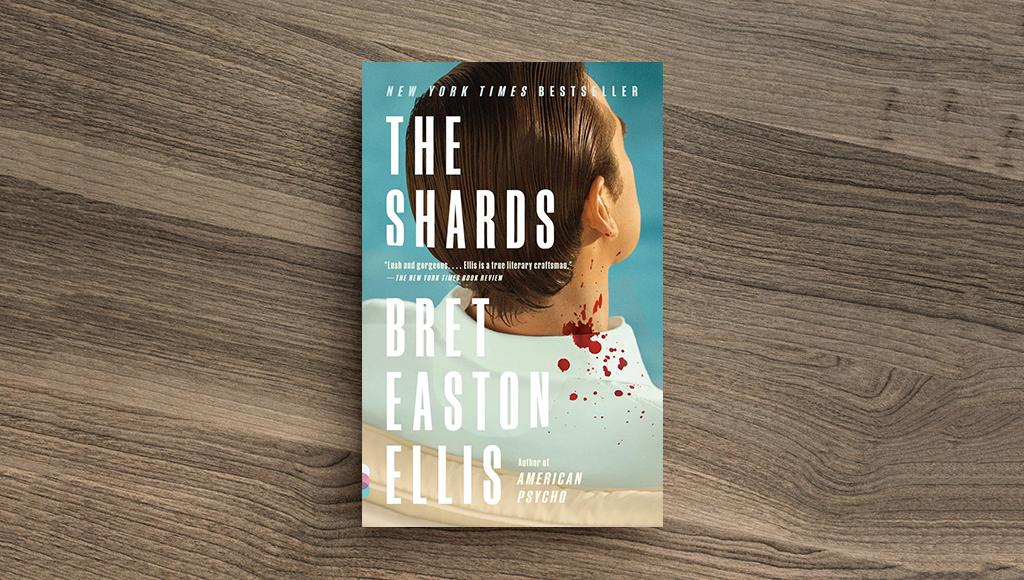
The Shards, Bret Easton Ellis
A gripping, unsettling ride that really sticks with you. Framed as a nonfiction-style narrative, it feels especially personal, like you’re getting a blurred line between memory and fiction. It’s a real page-turner, with vivid, often graphic scenes that keep the tension high throughout. The psychological gray area pulls you in and won’t let go; you’re constantly questioning what’s real and who, if anyone, is actually the villain. It’s intense, immersive, and hard to put down.