
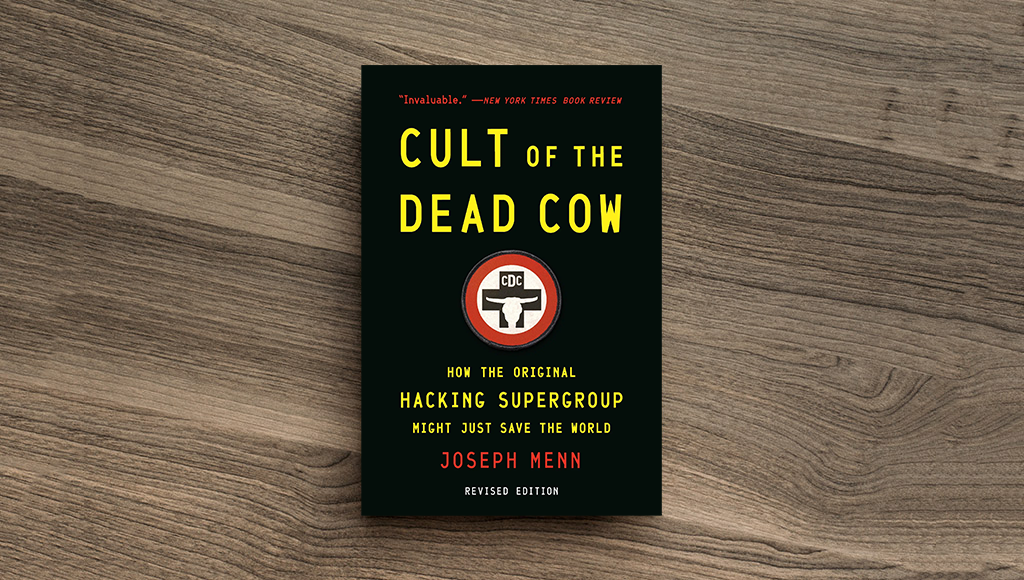
Cult of the Dead Cow, Joseph Menn
An engaging and informative history of hacking and hacker culture that will especially resonate with engineers and those interested in security. The book does a great job tracing the influence of cDc and the broader hacking world from the late 1980s through 2020ish, making the subject approachable and easy to follow. While it stays more at a high-level overview than a deep technical dive, the story itself is compelling and well told. A strong read for anyone curious about the people and ideas that shaped modern hacking.
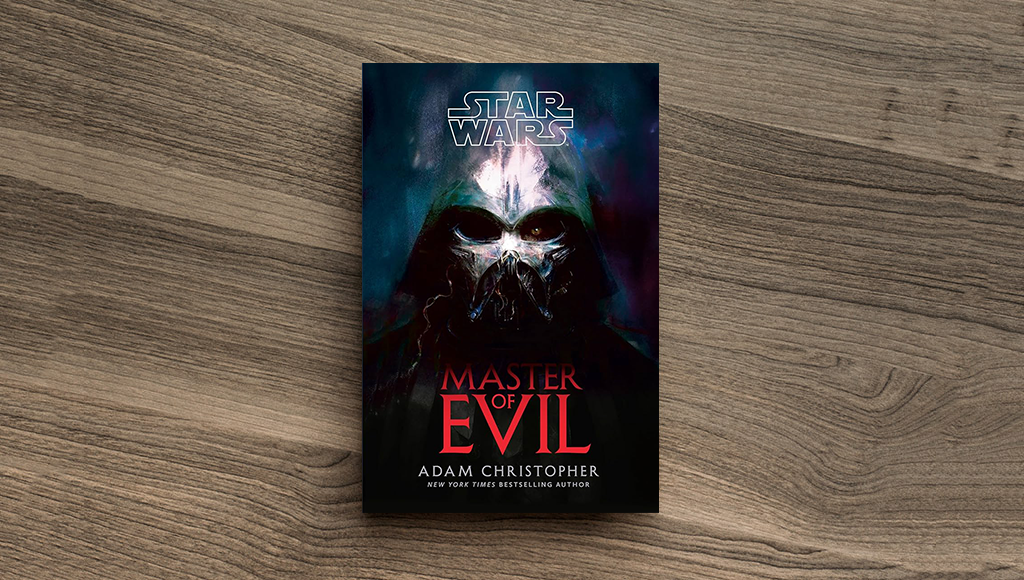
Master of Evil, Adam Christopher
This didn’t quite live up to the hype for me, but I still enjoyed it overall. I think it would have benefited from being read in one sitting, coming back to it after breaks sometimes left me a bit disoriented. There are moments of great psychological horror here, and I found myself wishing the story had leaned into that aspect much more. While it wasn’t the deep, ruthless descent into Vader’s darkness right after Revenge of the Sith that I was hoping for, it’s still a solid and engaging read with some standout moments.
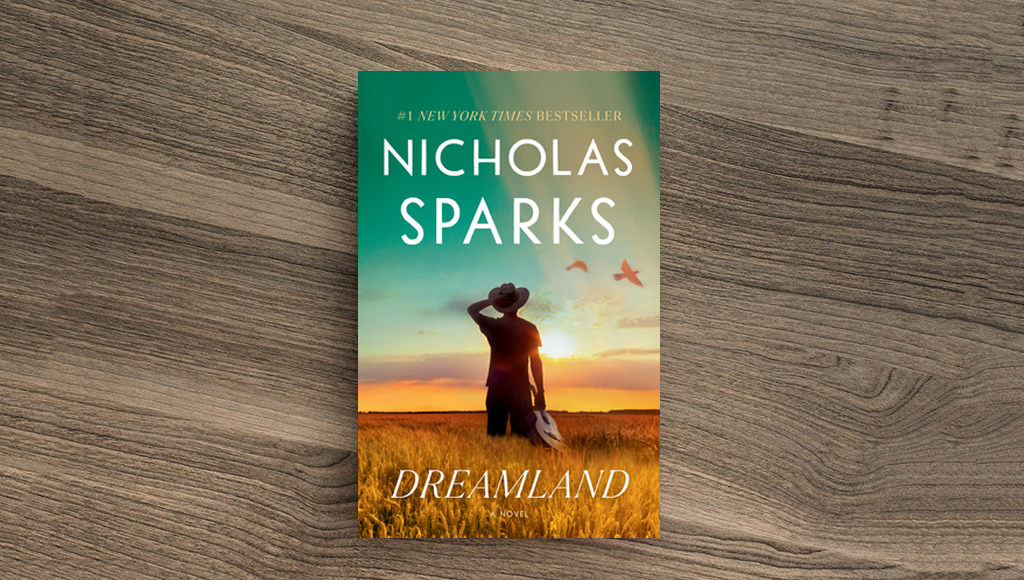
Dreamland, Nicholas Sparks
First off, this isn’t the kind of book I would usually read. I’m not much of a romance reader – this was a recommendation from my mother so I gave it a shot. I did enjoy it more than I expected. The two storylines were interesting and kept me reading, mostly because I wanted to see how everything would come together. The Colby love story was a bit much for me at times but I was drawn to Beverly’s storyline. I wish the book spent more time digging into what she was experiencing and how it all connected. If that had been explored more deeply, it might’ve felt more like a psychological thriller?-?which I probably would’ve loved. Overall, a decent read, just not quite my usual thing.
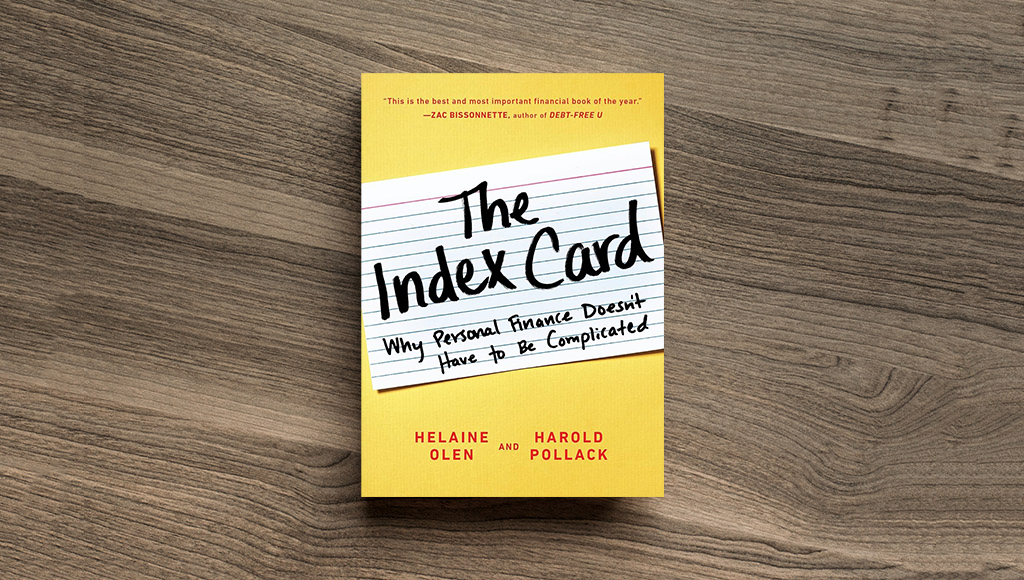
The Index Card, Helaine Olen and Harold Pollack
I read this for my Finance & Investing book club, where we occasionally choose more introductory personal finance books to welcome new members and sanity-check how the basics stack up against what we usually recommend. The Index Card does exactly what it sets out to do: it distills core financial principles into something clear, approachable, and straightforward. The writing is easy to follow, the pacing is quick, and the advice is practical without being overwhelming. While seasoned readers won’t find much that’s new, it’s an excellent starting point and a solid reminder that good financial habits don’t have to be complicated. A strong recommendation for anyone early in their personal finance journey.
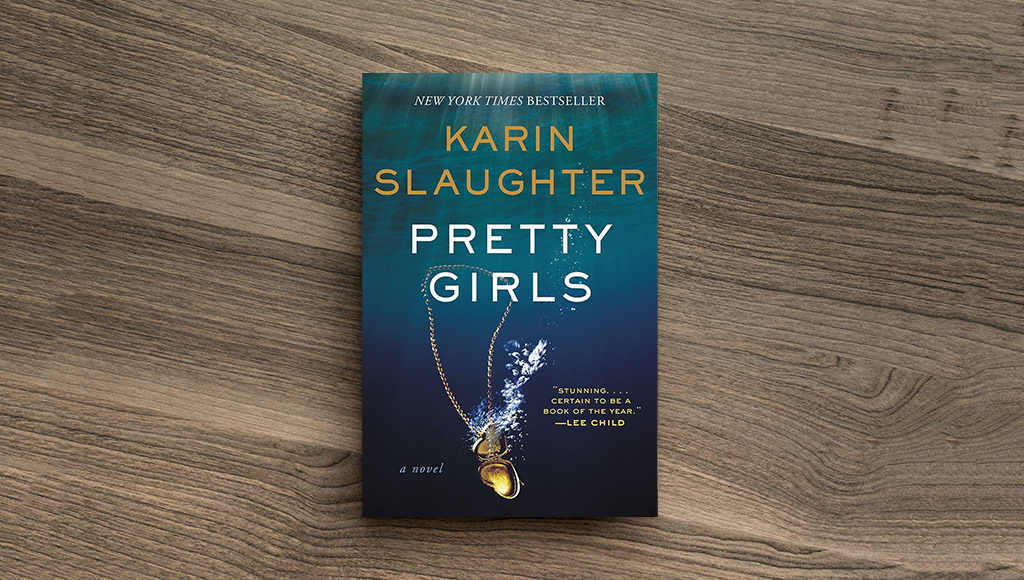
Pretty Girls, Karin Slaughter
A dark, disturbing, and emotionally demanding read that feels like a commitment. There are shades of Bret Easton Ellis in its brutality and psychological intensity, and while the prose can be a bit wordy at times, it ultimately serves the oppressive, unsettling mood. The story itself is disturbing?-?but the descriptions and atmosphere are even more so. This is a wild, harrowing ride that requires full attention and emotional buy-in. Definitely not for the faint of heart, but unforgettable if you’re up for it.
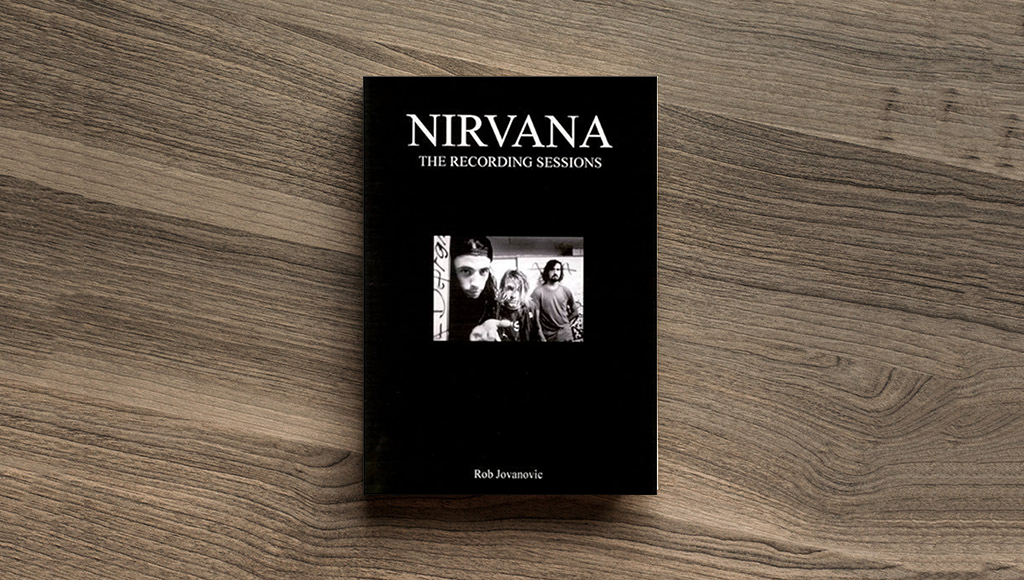
Nirvana: The Recording Sessions, Rob Jovanovic
A really enjoyable and informative deep dive into the band’s studio history. It’s packed with fascinating details and is genuinely fun to read, especially if you’re even remotely interested in Nirvana. That said, there are some noticeable typos, bits of questionable or incorrect information, and a few surprising omissions that keep it from being definitive. Still, it’s a solid and valuable resource. I’d love to see an updated edition that incorporates recent releases and cleans up those rough edges.
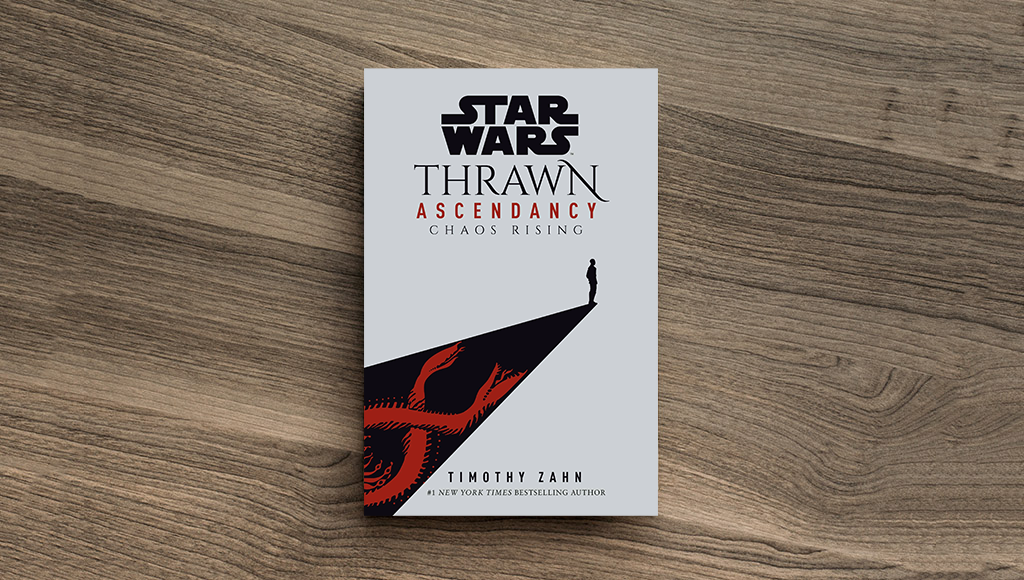
Thrawn Ascendancy: Chaos Rising, Timothy Zahn
This might be the deepest look yet at how Thrawn thinks and why he plays such a careful, patient long game. Even his fellow Chiss struggle to fully understand him, which makes watching his decisions unfold even more compelling. The story is structured with parallel threads from past and present, and the elaborate plotting really pays off. It leans more political than military, which I personally loved, and it adds layers to Thrawn’s motivations rather than just showcasing tactical brilliance. Getting more time inside his head was a treat, and it left me eager to dive into the rest of the series.
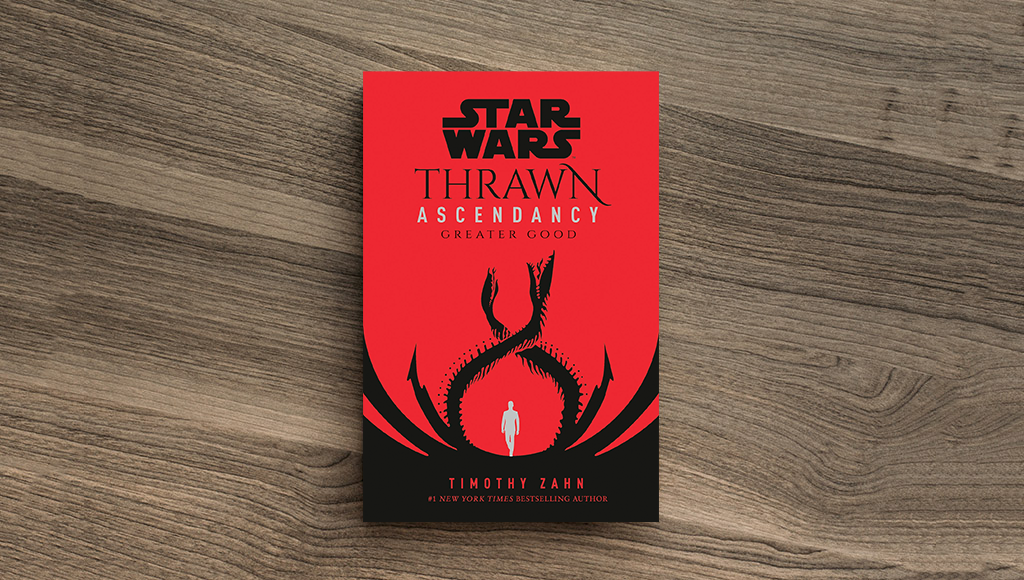
Thrawn Ascendancy: Greater Good, Timothy Zahn
This is a fantastic continuation of the trilogy and builds beautifully on everything established in the first book. The multiple storylines weave together, each thread gradually tightening until the larger picture comes into focus. Watching the political maneuvering and strategic layers unfold is incredibly satisfying, especially as Thrawn continues to operate several steps ahead of everyone around him. This story deepens both the stakes and the intrigue within the Ascendancy, making the series feel richer and more interconnected. A strong middle chapter that left me excited to see how everything concludes in the final book.
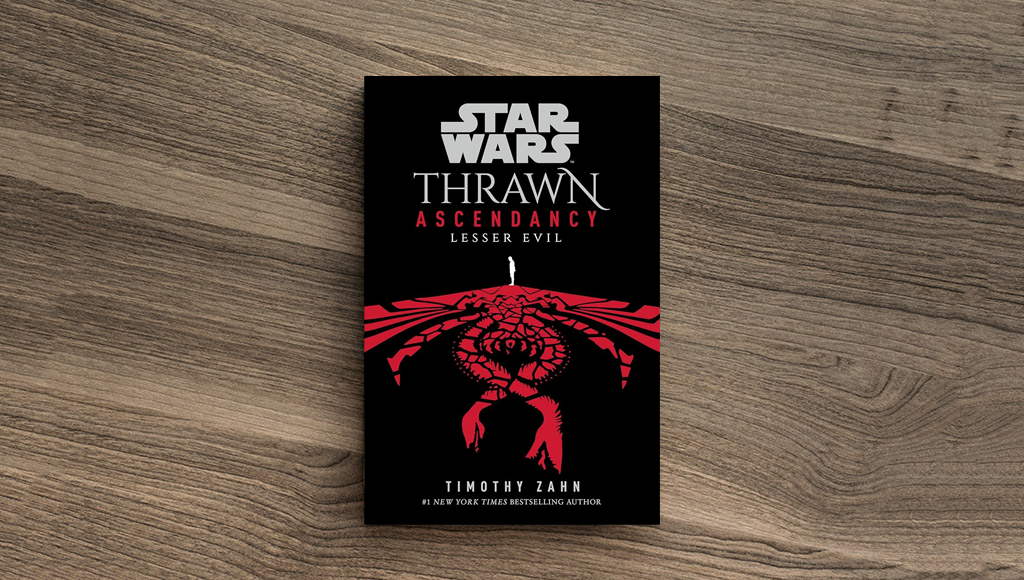
Thrawn Ascendancy: Lesser Evil, Timothy Zahn
An amazing conclusion to the trilogy! It was incredibly satisfying to watch all the threads come together and see how the story finally unfolded. Timothy Zahn does a great job tying together the plotlines that have been building since the first book, making the entire series feel tightly connected from beginning to end. From the opening pages of Chaos Rising to the final moments here, the story feels like one continuous journey. A thrilling and rewarding finale – highly recommended for any Star Wars fan.
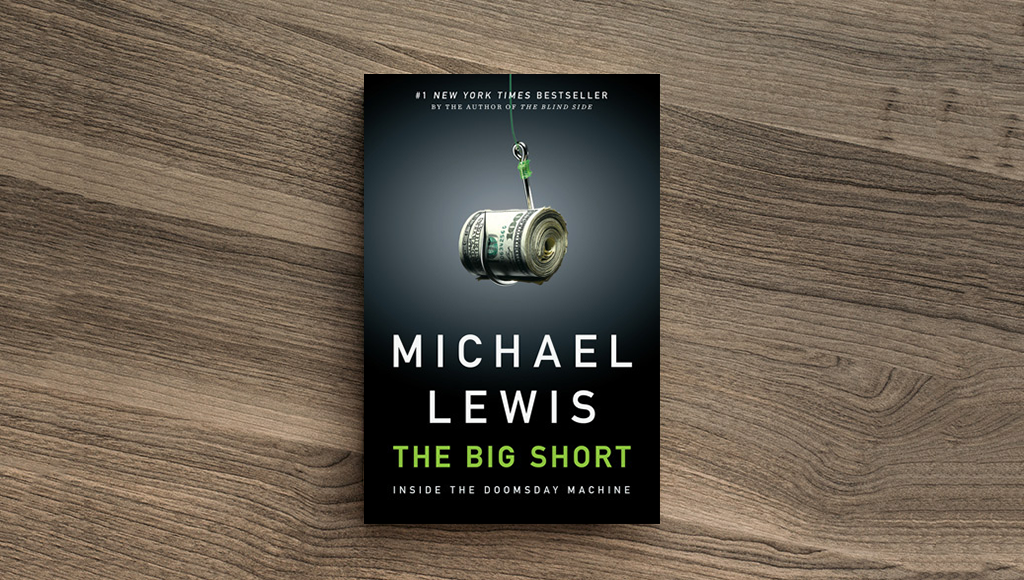
The Big Short, Michael Lewis
I already knew the story and had seen the movie, but I wanted the full picture. The book is far more detailed and technical than the film, and while it’s not quite as entertaining, I actually appreciated it more for that reason. Michael Lewis really digs into the people, the systems, and the sheer complexity behind the financial collapse, which somehow makes the whole situation feel even more unbelievable. It may come across as dry for readers looking for drama, but the depth of explanation is what makes it so compelling. A fascinating and eye-opening read, especially if you want to understand just how absurd the crisis really was.
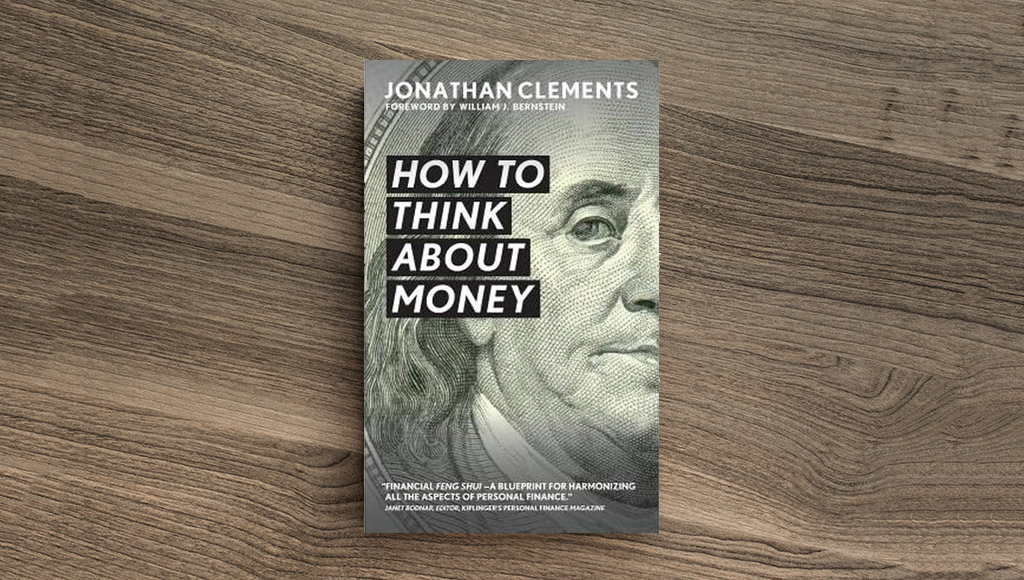
How to Think About Money, Jonathan Clements
This one just didn’t quite land for me. The ideas themselves aren’t bad, but I struggled a bit with the writing style and never really felt fully engaged. By the end, I wasn’t sure I had taken much away from it. It’s not a terrible book by any means, it just wasn’t really for me.
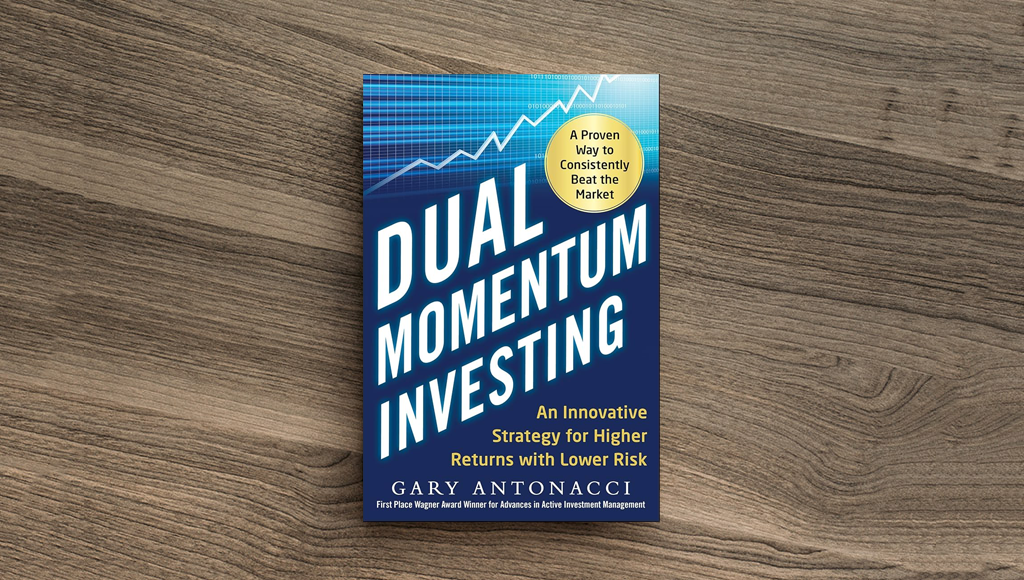
Dual Momentum Investing, Gary Antonacci
This really resonated with me. I found myself just as impressed with the strategy as with the book itself. It’s clear, easy to read, and grounded in solid research and data, which makes the concepts both approachable and convincing. Antonacci does a great job laying out the logic and backing it up with evidence. Whether you’re evaluating the strategy or the writing, it’s a compelling and worthwhile read.
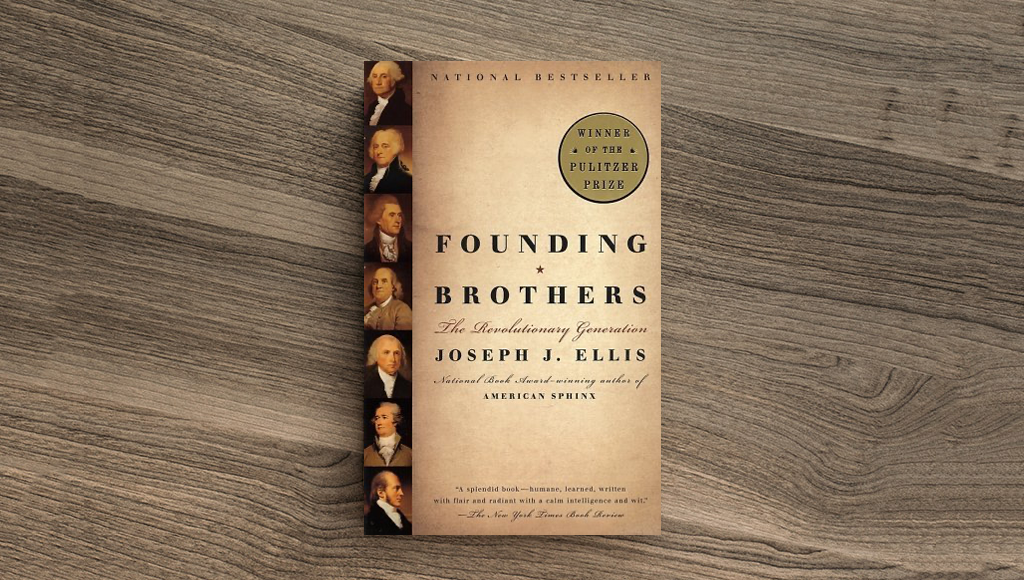
Founding Brothers, Joseph J. Ellis
This was an enjoyable and approachable way to dive into early American history. Breaking things into focused, self-contained stories made it easy to follow and never overwhelming, especially for someone who hasn’t read much on the subject. Each section brings the Founding Fathers to life in a more personal and human way, highlighting the relationships, tensions, and decisions that shaped the country. It strikes a nice balance between informative and engaging, making it a great entry point into American history.